We're Here to Assist You
Cockroach Prevention: A Recent Job in Metro Vancouver & Some Homeowner Tips
Category: Holiday
Published: 01 November, 2026
By Ryan, Owner, Knockout Pest Control
What I Walked Into
November is a time when I remind homeowners around Metro Vancouver that cockroaches aren't just a summer problem.
Even when it's cold and wet outside, they can continue living indoors where there's warmth, water, and somewhere to hide.
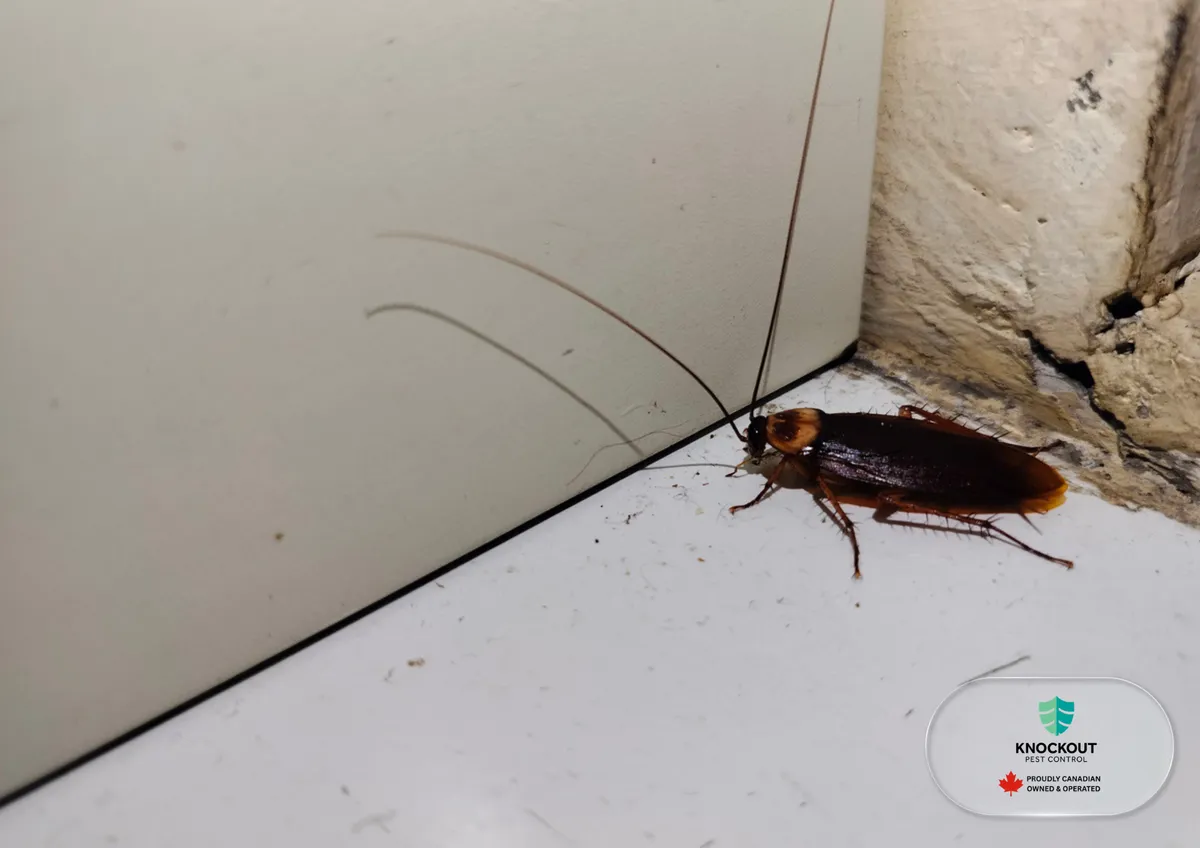
A recent job involved a homeowner who had been noticing small cockroaches around the kitchen and dining area. The first one appeared near the recycling bin. A few nights later, they spotted another along the baseboard beside the stove.
They had already emptied the cupboards, cleaned the floors, and started taking the garbage outside every evening.
Then they noticed another cockroach while making coffee early one morning.
The homeowner was confused because the kitchen was generally clean, and they couldn't understand why the problem kept coming back.
When I arrived, I explained that cockroaches don't necessarily need a dirty kitchen to survive. Even a well-maintained home can provide enough food, moisture, and shelter for them.
The Problem
I began by asking the homeowner when and where they had been seeing the cockroaches.
Most sightings happened after dark, particularly around the stove and the lower kitchen cupboards.
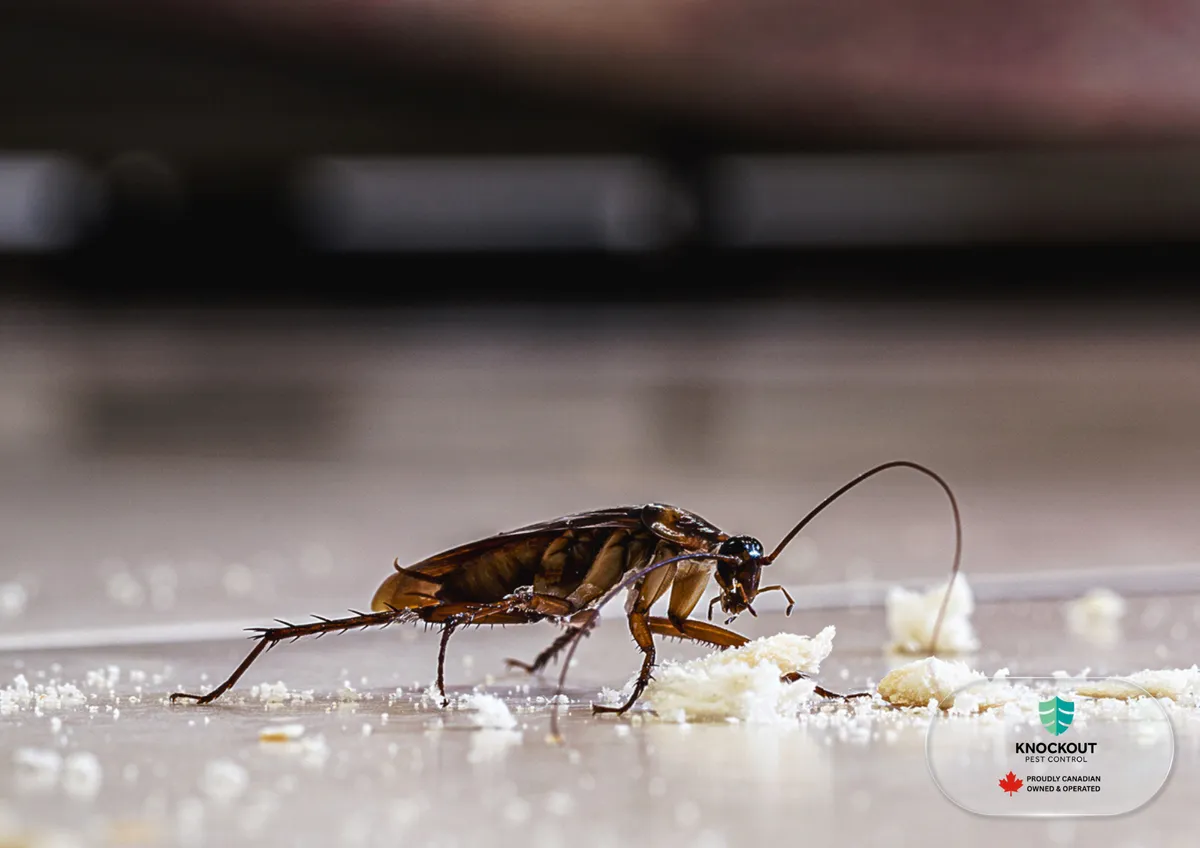
I inspected the area behind the stove and found small droppings along the back edge.
There was also evidence of activity near the space between the counter and the wall.
The kitchen had a built-in cabinet beside the stove, and the narrow space underneath it hadn't been cleaned for quite some time.
Neither issue was particularly noticeable during normal cleaning.
That was part of the problem.
Cockroaches can use spaces that homeowners rarely see or reach. Cleaning the visible surfaces helps, but it doesn't always affect what's happening underneath cabinets or behind fixed appliances.
The homeowner had also been using an aerosol spray whenever they spotted one.
While that dealt with the individual cockroaches they could see, it wasn't reaching the places where most of the activity was taking place.
The Process
Once I had a clearer picture of the problem, I worked through the kitchen systematically.
I checked the cabinet joints, the space behind the stove, plumbing openings, and the edges of the adjoining dining area.
I also looked for signs of activity beyond the places the homeowner had mentioned. It's important to establish whether the problem is limited to one section of the house or has spread elsewhere.
I placed monitoring traps in selected locations to help establish where cockroaches were travelling.
The treatment itself was focused on the areas showing evidence of activity. I used appropriate targeted products in protected locations rather than spraying the kitchen indiscriminately.
I explained to the homeowner why it was important not to apply household sprays over treated areas, since that can interfere with certain cockroach treatments.
The small plumbing leak needed repairing, and the grease and food debris behind the stove had to be cleaned up when it was safe to move the appliance.
I recommended keeping dry goods in sealed containers and avoiding overnight food residue around the sink and counters.
The idea was to tackle the infestation while making the kitchen less suitable for cockroaches going forward.
The Outcome
During the first several days, the homeowner continued checking the kitchen in the evening.
They reported seeing a couple of cockroaches shortly after treatment, which wasn't unexpected.
I had explained that cockroach activity doesn't always disappear immediately, particularly when insects have been established in protected areas.
At the follow-up, the monitoring traps showed considerably less activity, and the homeowner hadn't seen any cockroaches around the stove for several days.
They had also arranged for the plumbing connection to be repaired and cleaned the areas we had identified during the inspection.
What stood out to me was how much more comfortable they felt using their kitchen.
Now they could get on with cooking and cleaning without constantly searching for pests.
We still discussed the importance of monitoring, because cockroach control sometimes requires follow-up work to make sure the infestation has been properly addressed.
"It's brighter than before!"
— Megan
DIY Advice
During November, there are several things I recommend homeowners around Metro Vancouver do to reduce the chances of cockroaches becoming established.
1. Pay attention to moisture. Check underneath kitchen sinks, around plumbing connections, and near appliances that use water. Repair dripping pipes and avoid leaving standing water overnight.
2. Clean the less obvious kitchen areas. Pull out movable appliances when it's safe to do so and remove food debris that collects underneath or behind them.
3. Keep food in closed containers. Open packets of cereal, flour, rice, and pet food can provide easy feeding opportunities for cockroaches.
4. Empty indoor garbage regularly. Use bins with properly fitting lids and clean up any liquid or food residue that collects at the bottom.
5. Avoid storing unnecessary packaging. Paper bags, delivery cartons, and other clutter can create sheltered spaces where pests remain undisturbed.
6. Inspect second-hand appliances and furniture. Cockroaches can sometimes be introduced through items brought into a property, particularly appliances with enclosed compartments.
These habits are useful throughout the year, but they're particularly worth reviewing when households are spending more time indoors.
Professional Insight
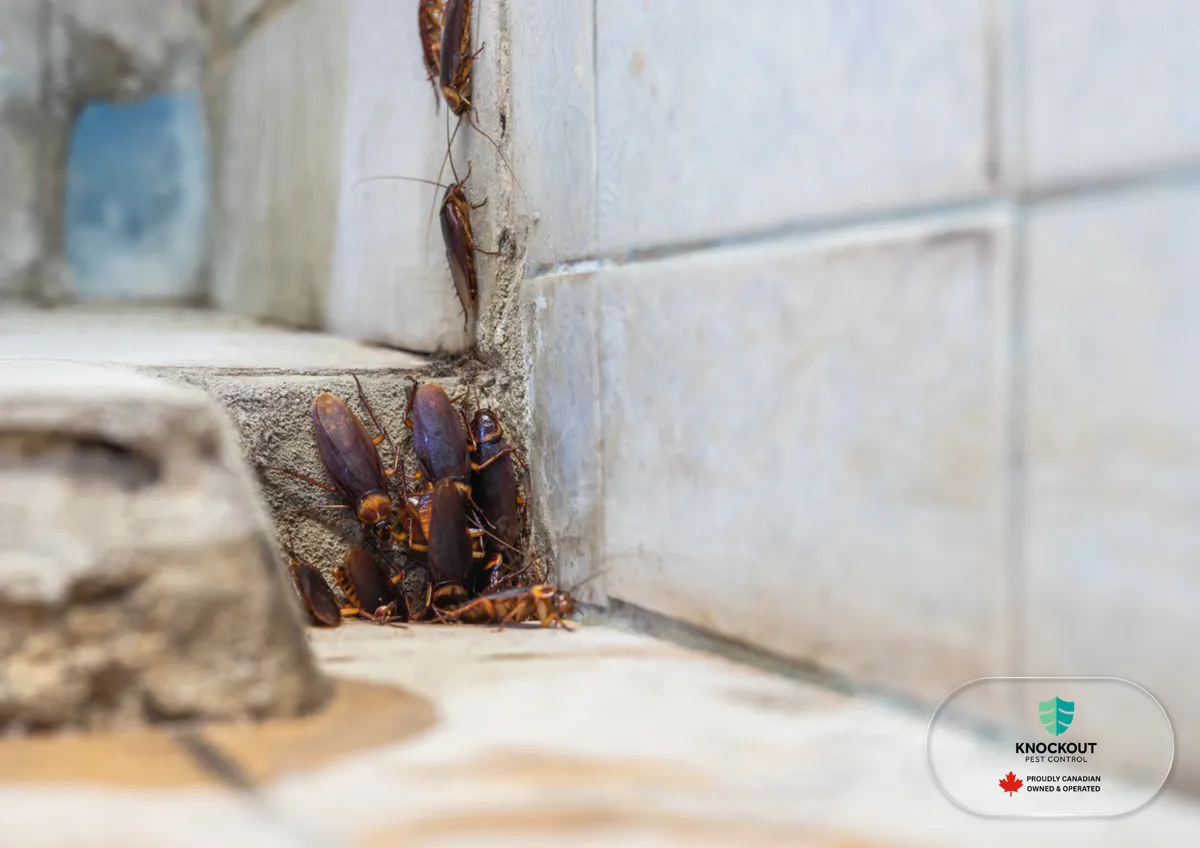
Something I regularly explain about cockroaches is that finding the source matters much more than counting the insects you can see.
Cockroaches generally prefer protected spaces and often become active when the house is quiet.
Different cockroach species also behave differently. Some are strongly associated with indoor kitchens and appliances, while others may be introduced from surrounding areas.
Identifying the species helps determine where to inspect and which control methods are appropriate.
Good cockroach management involves inspection, suitable treatment, sanitation, moisture control, and follow-up when needed.
Skipping those steps can allow the problem to continue even after the visible insects disappear.
Closing Thoughts
November brings plenty of rainy days around Metro Vancouver, and most of us naturally spend more time inside.
It's a sensible time to pay attention to the parts of the kitchen and utility areas that don't receive much attention during everyday cleaning.
Cockroaches can be difficult to deal with once they've established themselves, but catching the warning signs early gives you a better chance of keeping the problem manageable.
If you're finding them repeatedly, don't assume that cleaning harder or spraying the next one will solve everything.
Find out where the activity is coming from and deal with the conditions allowing it to continue.
– Ryan
Stay safe, stay connected, and take good care of your home this month.
– Thomas
Owner, Thomas & Sons Electrical Contractors