

We're Here to Assist You
Spider Prevention: A Recent Fall Visit in Metro Vancouver & Some Homeowner Tips
Category: Holiday
Published: 06 Oct, 2026
By Ryan, Owner, Knockout Pest Control
What I Walked Into
October is an interesting month for spider calls around Metro Vancouver because people often start noticing them in places they weren't seeing during summer.
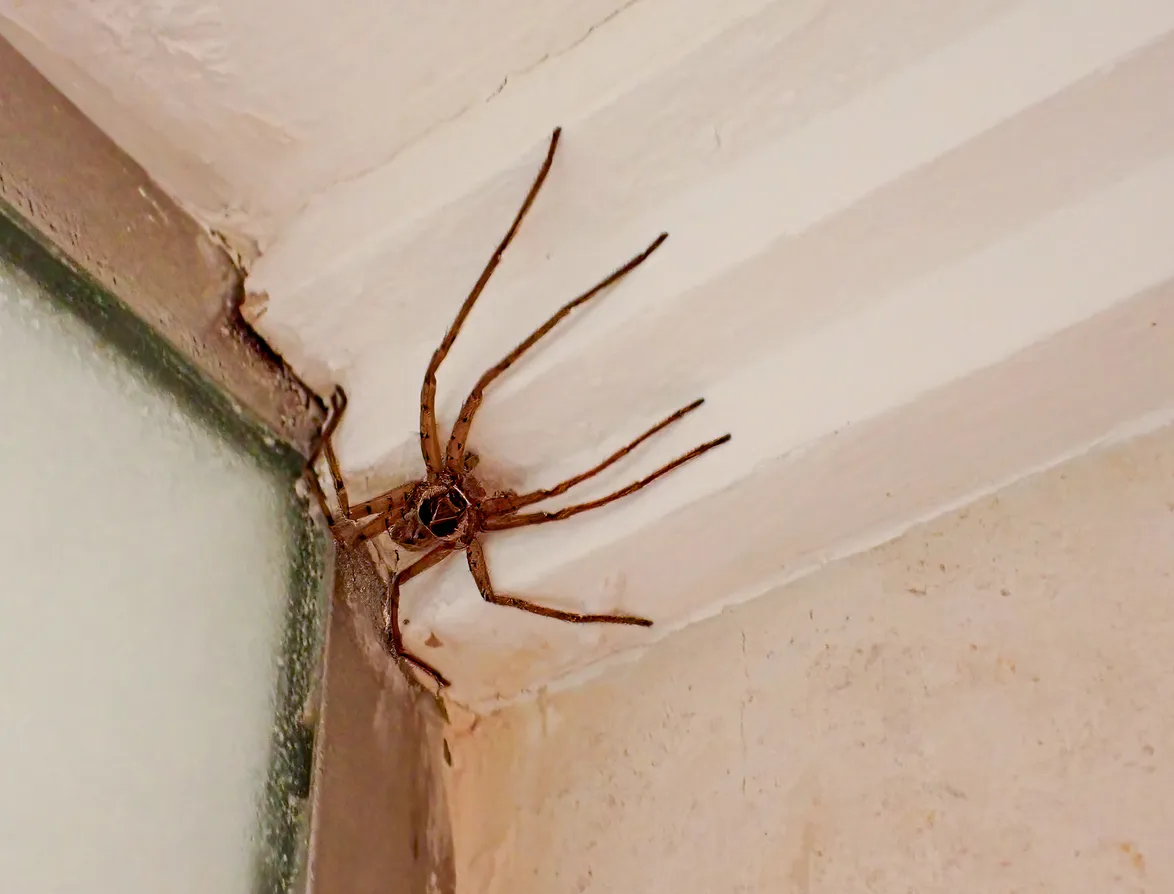
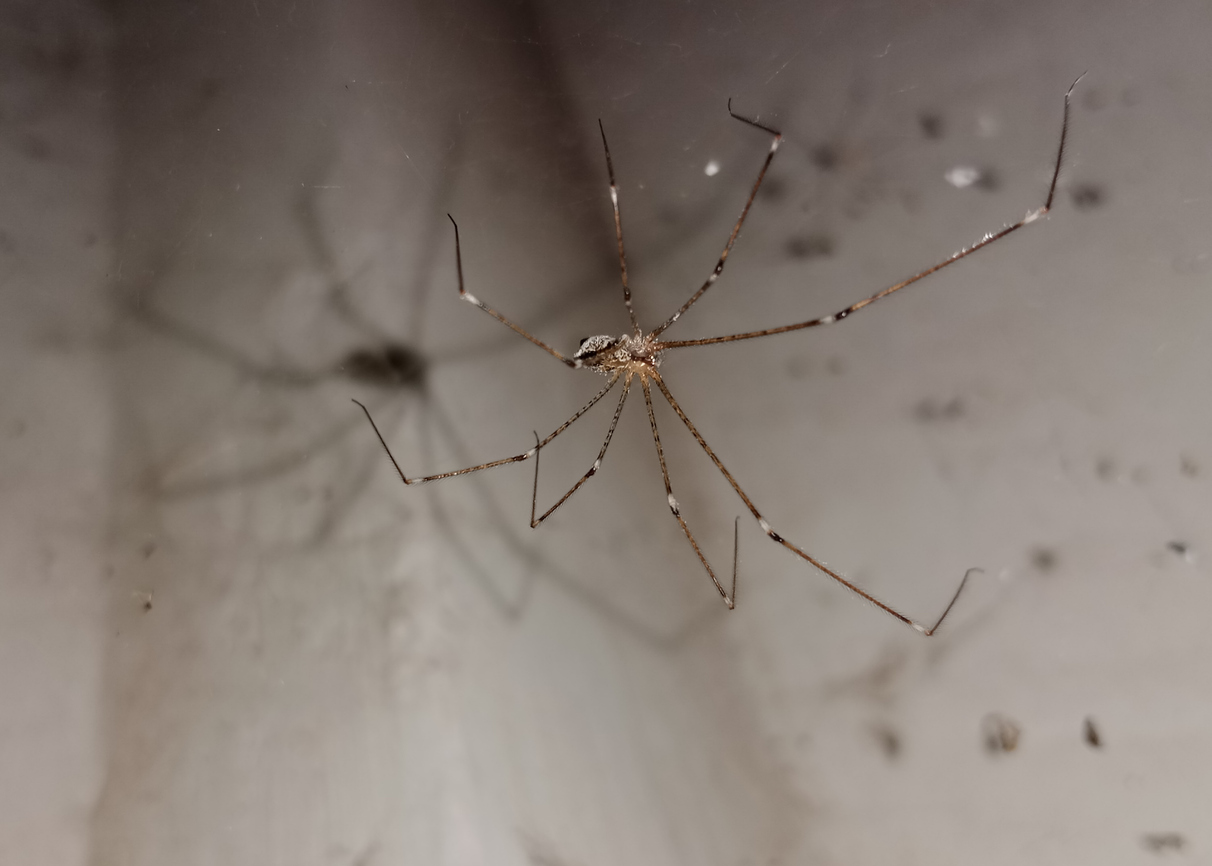
One recent call came from a homeowner who had found several fairly large spiders inside over the course of about two weeks. One was in the upstairs hallway, another was near the laundry room, and a couple had appeared downstairs.
When I arrived, I asked where each spider had been found and then walked through those parts of the house. Instead of looking for one main nesting area, I was looking for the routes they could be using to get indoors.
October weather gives us plenty of cool, damp evenings around Metro Vancouver, and this is the time of year when small openings around a home become much more noticeable from a pest control point of view.
The Problem
The first thing that stood out was a basement window that didn't close as tightly as it should.
There was also an exterior door at the side of the house with a worn seal along the bottom. You couldn't see much daylight through it, but there was enough room for insects and spiders to get through.
Around the outside, I found another possible access point where a vent cover met the siding.
None of these looked like major problems on their own.
A homeowner might walk past the same door or window every day without thinking twice about a narrow opening. For a spider or small insect, it can be more than enough space.
There were also leaves collecting beside one wall of the house and around the bottom of the side steps. That area stayed damp and gave insects plenty of cover.
This helped explain why the homeowner was finding spiders in different rooms instead of one concentrated location.
It didn't look like they had one large spider problem somewhere inside. The house simply had several opportunities for spiders to make their way in.
The Process
I approached this job differently from one where there is heavy webbing or obvious spider activity in one location.
We started with the likely access points.
I showed the homeowner the loose door seal, the basement window, and the area around the exterior vent. Those were all things that could be corrected without making major changes to the house.
Outside, I checked along the foundation and around the entrances for other spots that could be used by insects.
We also cleared the leaves and debris that had collected beside the house. Keeping that material away from the foundation helps remove some of the sheltered areas where insects can spend time.
Inside, I checked along the lower level, laundry area, window edges, and the quieter corners where the homeowner had reported sightings.
Treatment was kept to the areas where it made sense rather than applying products throughout the entire house.
What we wanted to do was reduce the number getting indoors and correct the obvious conditions that were making that easier.
The Outcome
The homeowner took care of the worn door seal and made sure the basement window was closing properly.
Over the next several days, they kept track of any new sightings rather than assuming every spider meant the issue was continuing.
The difference became clearer as the week went on.
They weren't finding spiders in the hallway or laundry area anymore, and the downstairs sightings stopped as well.
The area beside the house was also staying cleaner after the leaves and debris had been cleared away.
When I followed up, the homeowner said the biggest improvement was simply not wondering where the next spider was going to appear.
The occasional spider outdoors didn't bother them. It was finding them unexpectedly inside that had been frustrating.
Once that stopped happening regularly, the house felt normal again.
"It's brighter than before!"
— Megan
DIY Advice
During October, here are a few things I recommend homeowners around Metro Vancouver check if spiders have started appearing indoors:
1. Run your hand along the bottom of exterior doors. If you can feel a noticeable draft, take a closer look at the seal and weather stripping.
2. Make sure basement windows close completely. Older frames can develop small openings that are easy to overlook.
3. Clear fallen leaves away from the foundation. Damp piles of leaves provide cover for insects, which can also bring spiders closer to the house.
4. Look around exterior vents. Check that covers are secure and that there aren't unnecessary spaces around the edges.
5. Give rarely used rooms a regular clean. Laundry rooms, utility areas, spare rooms, and lower-level storage spaces can go undisturbed for long periods.
6. Check items before bringing them indoors. Firewood, outdoor furniture cushions, plant pots, and seasonal decorations can all carry spiders or other insects inside.
These are all simple checks, but October is a good month to go through them before we get further into the colder part of the year.
Professional Insight
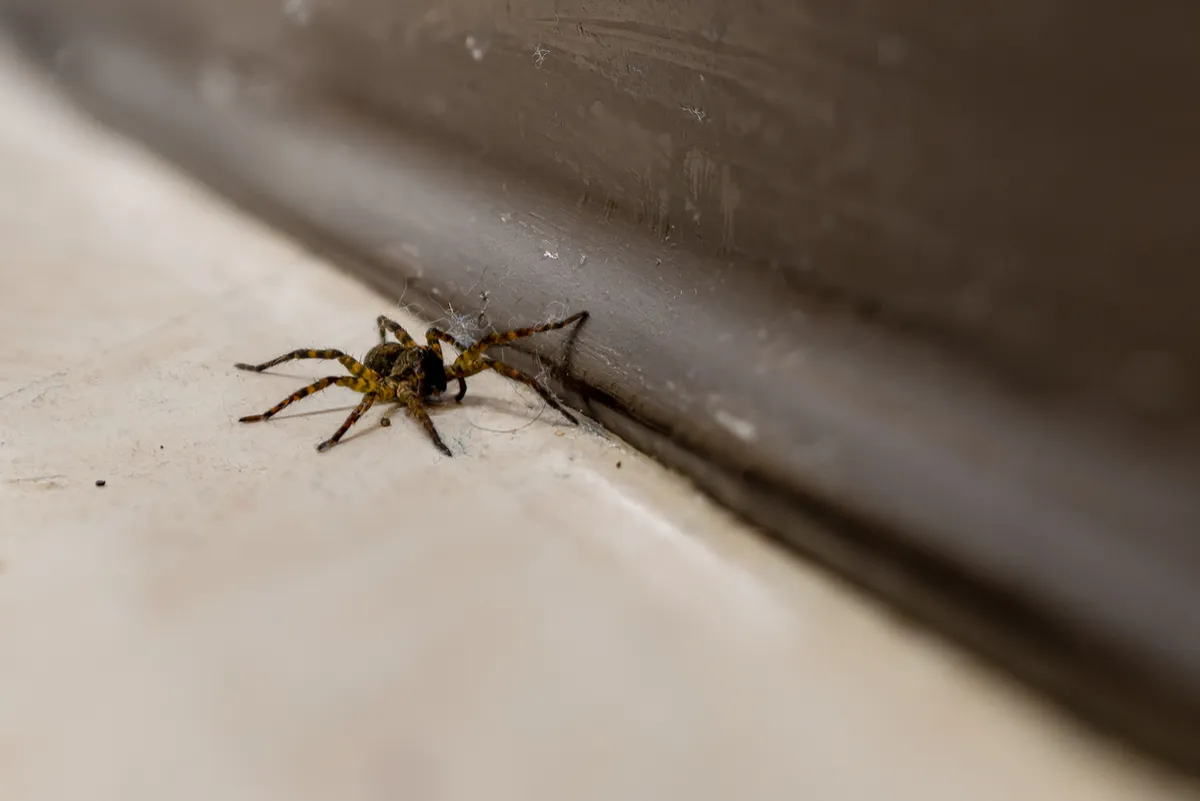
One thing I try to explain during fall spider calls is that seeing spiders indoors doesn't automatically mean they're breeding throughout the house.
Sometimes the issue is much simpler.
There may be a worn seal, an opening around a window, or another route that's allowing them to wander inside.
That's why the location of each sighting matters.
If they're appearing near an exterior door, I'll check the threshold, frame, and nearby exterior conditions.
It makes more sense to follow those clues than to assume the entire house needs to be treated.
October is also a good reminder that pest prevention isn't always about doing something complicated.
Closing a few overlooked openings and keeping the perimeter tidy can solve a lot of small problems before they become regular ones.
Closing Thoughts
October is when many Metro Vancouver homeowners start closing windows, spending more evenings indoors, and getting the house ready for the colder months ahead.
It's also when an unexpected spider walking across the hallway tends to get noticed pretty quickly.
If it happens once, it may simply be one that wandered inside.
If it keeps happening, especially around the same rooms, doors, or windows, have a look at how they might be getting in.
A few simple checks around the house can tell you quite a bit.
– Ryan
Stay safe, stay connected, and take good care of your home this month.
– Thomas
Owner, Thomas & Sons Electrical Contractors