


We're Here to Assist You
Spider Prevention: What I Found Around a Metro Vancouver Home
Category: Holiday
Published: 01 Sep, 2026
By Ryan, Owner, Knockout Pest Control
What I Walked Into
September tends to bring a different kind of spider call around Metro Vancouver. Summer is winding down, evenings are getting cooler, and homeowners often begin noticing spiders closer to doors, windows, garages, and other parts of the house.
One recent call came from a homeowner who had been finding spiders around the front entrance and inside their attached garage.
The main concern was the garage. Fresh webbing kept appearing around shelving, near the overhead door, and beside a small window.
The homeowner had cleared everything several times, but within a few days, new webbing would appear.
When I arrived, I spent some time looking at the outside of the garage before going indoors. There were quite a few small insects gathering near an exterior light beside the garage door.
That gave me a good place to start.
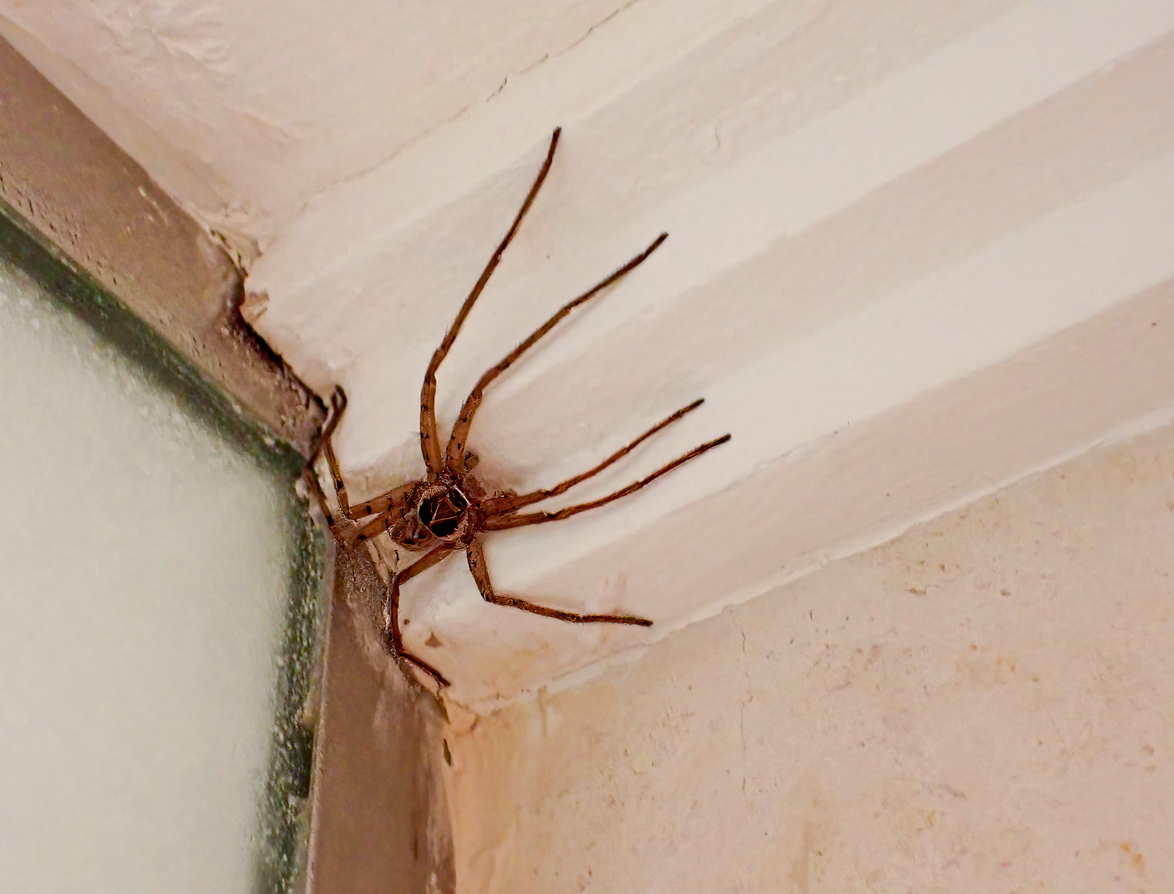
The Problem
As I worked my way around the garage, I found several areas that were making it easy for spiders to stay nearby.
The weather stripping along one side of the garage door had pulled away slightly. It wasn't a large opening, but it was enough for small insects to get through.
Inside, the homeowner had several shelves along the perimeter filled with seasonal items, tools, gardening supplies, and storage containers. Some hadn't been moved for quite a while.
Behind those shelves, I found older webbing along with newer activity.
The spiders weren't really the starting point of the issue. There was a steady supply of small insects coming toward the exterior light and making their way into the garage. Once they were inside, spiders had food and plenty of quiet places to settle.
The homeowner had been concentrating on removing webs, which made sense, but that wasn't changing what was bringing the spiders there.
They were also concerned because the activity seemed to be moving closer to the interior door. They didn't want what had started in the garage becoming something they regularly found throughout the house.
The Process
I began by clearing the existing webbing so I could separate old activity from anything fresh that appeared afterward.
From there, I worked around the garage perimeter and the exterior entrance areas where spiders and other insects were most active.
Instead of applying treatment everywhere, I concentrated on the locations that actually needed attention. That included garage door edges, window framing, sheltered exterior corners, and other areas where spiders were settling.
The next part was dealing with access.
I showed the homeowner the worn section of weather stripping and the openings around the window and cable penetration. Closing those areas would help reduce the number of insects making their way into the garage.
That might sound minor, but garages can become ideal pest areas when boxes, equipment, and other belongings sit tightly against walls for months.
The exterior lighting was another factor. The light beside the garage was attracting insects every evening, which meant spiders had a reliable feeding area right beside the entrance.
We discussed changing how that area was managed rather than focusing only on removing spiders whenever they appeared.
The Outcome
Over the next several days, the homeowner kept an eye on the areas that had previously been the most active.
The first thing they noticed was that fresh webbing wasn't appearing around the garage door nearly as often.
By the following week, the garage was staying noticeably cleaner. There were still occasional insects outside, which is completely normal, but they weren't gathering and getting indoors at the same level.
The homeowner also replaced the damaged weather stripping and closed the openings we had identified during the inspection.
When I followed up, they told me they had stopped checking the garage corners every morning.
That's usually a good sign. Once you're no longer repeatedly clearing the same areas or wondering whether the problem is spreading farther into the house, you know the changes are doing what they're supposed to do.
"It's brighter than before!"
— Megan
DIY Advice
During September, there are several things I recommend Metro Vancouver homeowners check if they want to reduce spider activity around the house:
1. Look closely around garage doors. Worn weather stripping and small gaps along the edges can allow insects and spiders to move indoors.
2. Inspect window frames and screens. Repair torn screens and close openings around frames before cooler weather settles in.
3. Move stored belongings away from walls. Keeping a little space behind shelving and storage containers makes hidden corners easier to clean and inspect.
4. Remove webbing when you find it. Pay attention to whether it returns to exactly the same location. Repeated webbing can tell you where activity is concentrated.
5. Check exterior lighting areas. Lights near doors and windows attract insects after dark, which can also bring spiders closer to the house.
6. Clean garages and storage spaces periodically. Areas that remain untouched for long periods give spiders plenty of protected places to settle.
You don't need to make major changes around the property. Usually, it's a combination of smaller issues that allows spider activity to become noticeable.
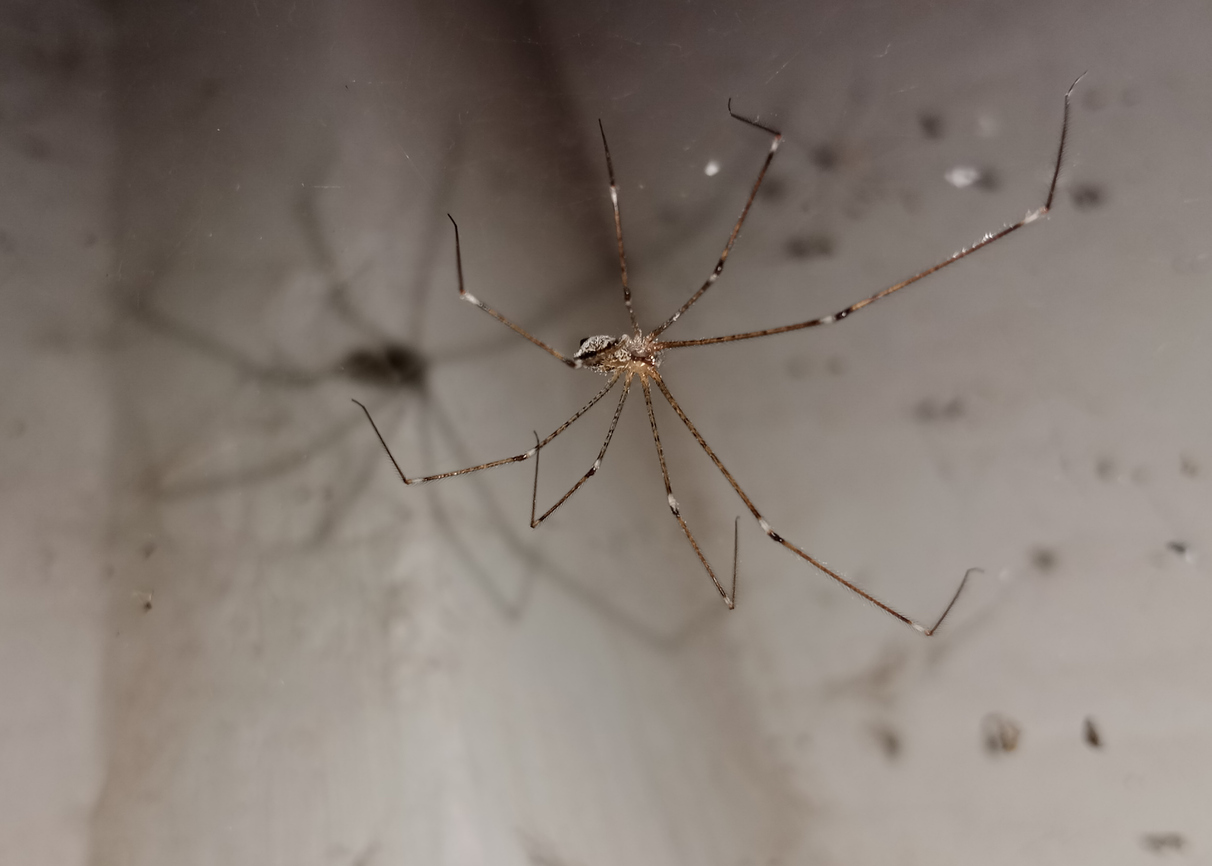
Professional Insight
One thing I've learned from spider calls is that the location of the webs often tells you more than the number of spiders.
If fresh webbing keeps appearing around one garage window, for example, I want to know what's happening around that window. There may be insects getting through a damaged screen, an exterior light attracting them at night, or a sheltered gap nearby.
The same applies to doorways, storage rooms, and other areas where homeowners repeatedly find spiders.
Removing what's visible can clean things up temporarily, but recurring activity usually means there's still something supporting it.
That's why I look beyond the spider itself.
Once you reduce the insects they're feeding on and make those sheltered areas harder to access, there's much less reason for spiders to remain.
Closing Thoughts
September is a useful time to check garages, entrances, window frames, and storage spaces around Metro Vancouver homes.
You don't have to be seeing spiders everywhere for something to be worth checking.
Sometimes it's one corner where a web keeps returning, a garage where sightings have become more frequent, or a spider appearing indoors every few days.
Those patterns can tell you where to look.
If you notice activity repeatedly showing up in the same part of your home, it's worth figuring out what's attracting it rather than clearing the web and waiting for the next one.
– Ryan
Stay safe, stay connected, and take good care of your home this month.
– Thomas
Owner, Thomas & Sons Electrical Contractors